The FARM Bill: Protecting Our Land, Water, and Local Food SystemThe FARM Bill is about resilience. By investing in farming families, we support a more secure and sustainable future for the Commonwealth.
As the descendant of Falmouth strawberry farmers, I know how important agriculture is for a healthy food system and the thousands of Massachusetts families who depend on it. My great-grandparents were among the many Azorean Americans who farmed Falmouth's strawberry fields. At its peak, before World War II, Falmouth produced more strawberries than any town in the country. Today, that legacy endures in a single remaining farm: Tony Andrews Farm, now stewarded by the town. This decline is visible across the Commonwealth. Since 1945, the number of farms in the state has declined from 35,000 to about 6,000. Much of that farmland has been developed into shopping centers, industrial parks, and housing—reflecting a changing economy and the cost of limited land. What's HappeningEven as these changes reshape our landscape, the need for a sustainable food system remains constant. With emerging threats like climate change and supply chain disruptions, it's imperative that we act to support healthy, locally grown food. That's why as Chair of the Joint Committee on Agriculture and Fisheries, I'm proud that a Committee priority, Senate Bill 3029, An Act fostering agricultural resilience in Massachusetts—or the FARM Bill—has advanced out of the Senate Ways and Means Committee and will be debated on the Senate floor next week. I want to recognize and congratulate my colleague Senator Jo Comerford for her leadership on bringing this bill forward. Why It MattersMassachusetts is home to more than 7,000 farms and fishing operations, spanning 500,000 acres—10 per cent of the state's land—and generating over $10 billion in economic activity. The FARM Bill will help preserve and strengthen this industry which supports our economy, feeds our families, and contributes to a sustainable future.
One key provision requires the Massachusetts Emergency Management Agency (MEMA) to develop a plan to support agriculture, seafood, and processed food during emergencies to mitigate food supply chain disruptions. In crises like storms and pandemics, producers often lose access to markets and can't transport goods. This provision will ensure that farms and fisheries can continue operating, treating them as essential infrastructure rather than an afterthought. The FARM Bill also codifies key programs that support local agriculture and public health. The Healthy Incentives Program (HIP) helps residents purchase fresh produce from local farms. The Food Security Infrastructure Grant (FSIG) program strengthens supply chains and expands access to local foods. The FRESH program helps schools and early education centers increase local food purchasing. This legislation makes these programs permanent. Additionally, the bill directs the state to make recommendations for increasing the use of local food in assistance programs, creating stable markets for farmers while strengthening supply chains and supporting fresh, local food.
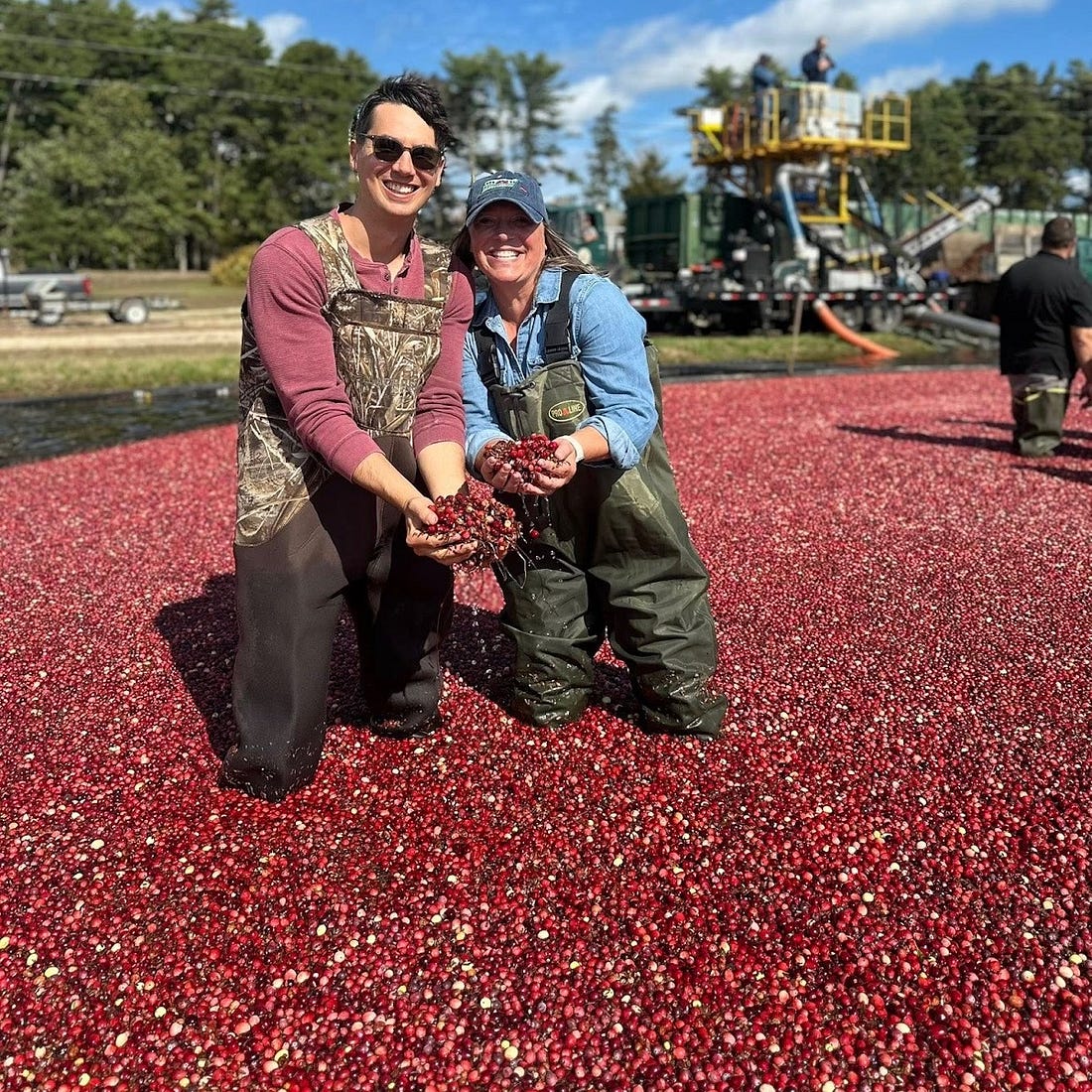
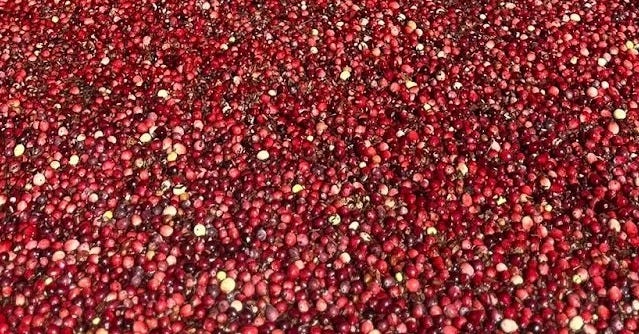
The FARM Bill also supports our cranberry industry, Massachusetts' most valuable agricultural product. The Cranberry Revitalization Task Force, which includes colleagues like Senate Ways and Means Chair Michael Rodrigues and former Senator Vinny deMacedo, recommended we adopt language empowering cranberry bog farmers to transfer their Water Management Act permit rights. That language, filed in Senate Bill 602, An Act relative to cranberry water use transfer program, is included in this legislation. The FARM Bill is about resilience—ensuring our farmers and fishermen can withstand disruptions, our land and water remain productive, and our food system is prepared for future challenges. By investing in farming families, we support a more secure and sustainable future for the Commonwealth. While Falmouth may no longer be the strawberry capital of the United States, Massachusetts continues to invest in its agricultural future through legislation that protects and strengthens our farmland for generations to come. What Happens Next
For Your ConsiderationIf the issue of supporting farming families is important to you, please:
Subscribe to receive The Gavel Drop in your inbox for FREE news and insights directly from the Massachusetts State Senate
© 2026 Massachusetts State Senate
|