A Trillion Dollar Setback for Black and Brown CommunitiesThe Racial Equity, Civil Rights, and Inclusion Committee has an important role to play in tracking the damage of federal cuts—and highlighting work that will keep moving us forward.
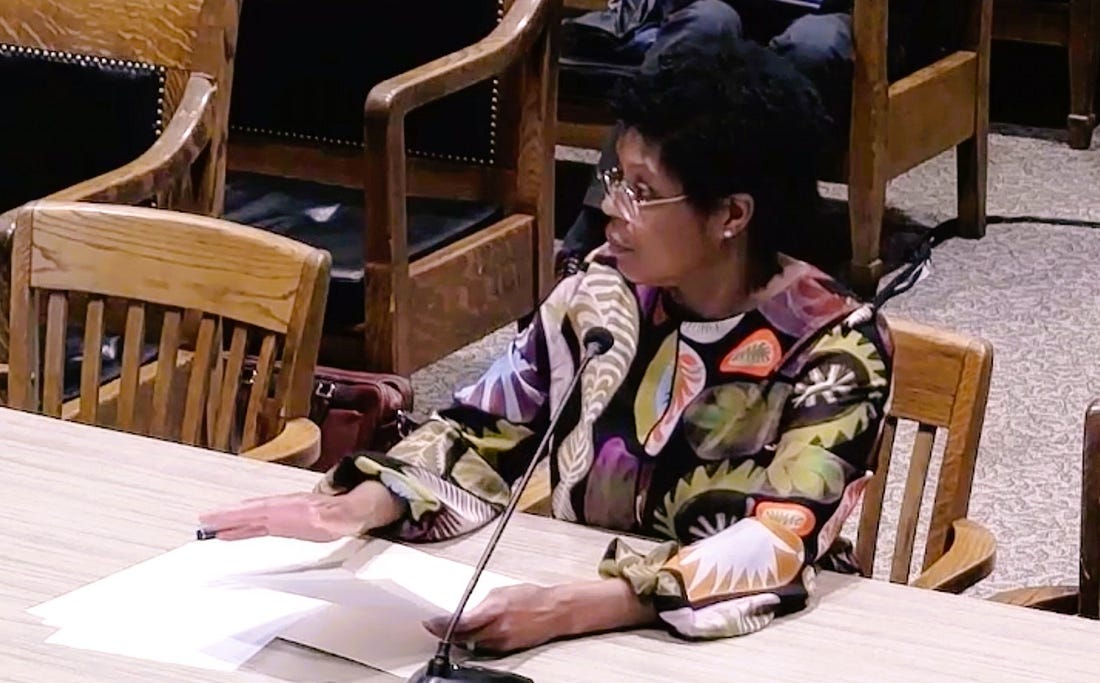
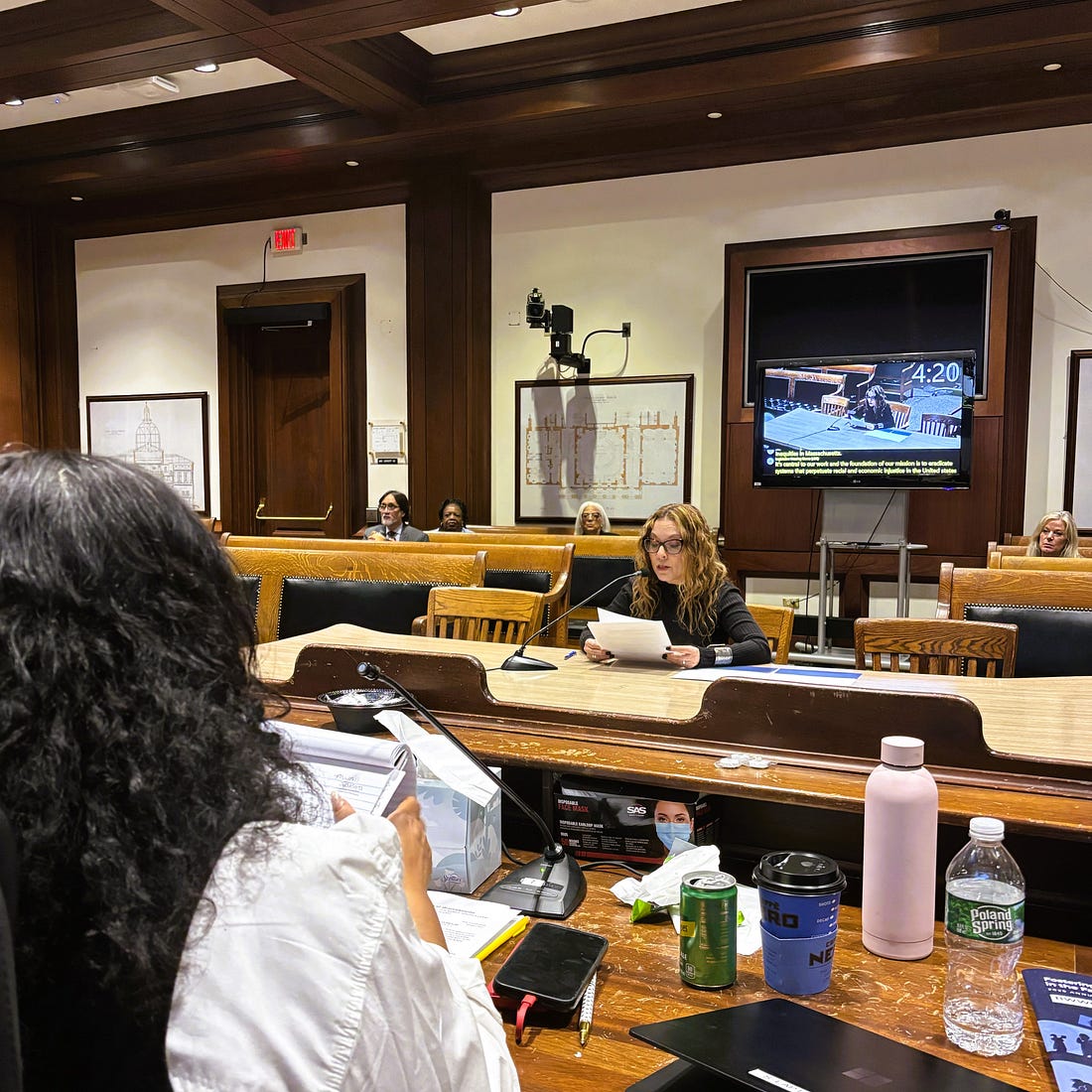
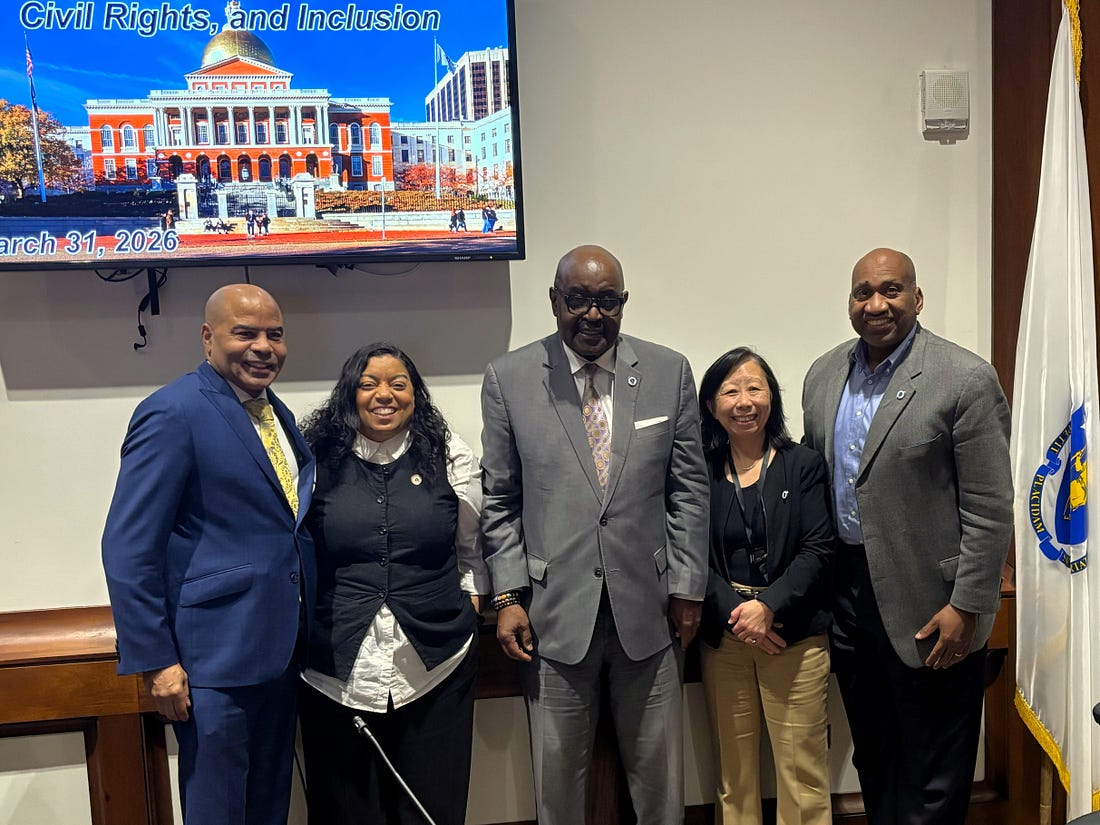
A trillion dollars—$1,000,000,000,000. That's how much money is expected to be gifted to the rich in tax breaks over the next decade as a result of cuts to programs that benefit our children, strengthen our communities and keep our friends and family members safe and healthy. This trillion-dollar figure—from the president of the Mass. Budget and Policy Center, Dr. Viviana M. Abreu-Hernández—came up at a hearing of the Joint Committee on Racial Equity, Civil Rights, and Inclusion I co-chaired with Representative Bud Williams this week. It was one of many clear-eyed moments, as 14 experts testified candidly about the roots of the racial wealth gap in the Commonwealth and the challenges to making meaningful progress.
What's HappeningSince taking office, the Trump Administration has passed legislation that will gut MassHealth and SNAP benefits by imposing burdensome work requirements. As many as 203,000 MassHealth users are projected to be uninsured by 2034. One in six Massachusetts residents rely on SNAP—all will be in danger of seeing seriously reduced benefits. When it's not a sure thing if someone can put food on the table or pay that last hospital bill, it becomes incredibly difficult to focus on education, career advancement, or long-term goals. If we truly expect people to invest in themselves and their futures, we must first ensure they have the stability and support needed to stand on solid ground. Why It MattersOur Black and Brown communities, vastly overrepresented among MassHealth and SNAP users, will bear the brunt of these cuts. Many will face impossible choices like whether to put food on the table or risk eviction and whether to take on medical debt or leave illness untreated. Meanwhile, the only choice individual members of the so-called one per cent will face is how best to invest their portion of their trillion-dollar windfall. The story of the racial wealth gap in Massachusetts doesn't start in 2024 or 2016. The vulnerability of Black and Brown communities to cuts like these dates back hundreds of years. Understanding the racial wealth gap today requires an understanding of a history of exploitation of communities of color that begins with slavery and continues through the present day. There isn't a policy area that isn't affected by this history—it's intertwined with everything from our schools to our neighborhoods and from who owns a home to who is incarcerated in our prisons. The scale of the problem can't be overstated. I grew up in Roxbury, one of the many neighborhoods with a red line drawn around it on city maps only a few decades ago. I lived and breathed this recent history, from the polluted air of brownfields and 1,400 parcels of vacant lots that were the result of disinvestment and environmental injustice. Through strong community organizing and the incredible efforts of groups like the Dudley Street Neighborhood Initiative (DSNI), almost every single one of those vacant lots has since been developed, a testament to the progress we've made over my lifetime.
At our public hearing, we received the data to back up what we knew in our hearts to be true: that under the second Trump Administration, we are taking two steps backward instead of continuing to move forward. The cultural awareness of racial inequity that blossomed during the Civil Rights movement and led to significant advances in education, wealth, political power, and civil rights for people of color is backsliding. On Tuesday, we got a close look at the scope of the Trump Administration's assault on "one of the most effective mechanisms of wealth building"—small business ownership—from Nicole Obi, President and CEO of the Black Economic Council of Massachusetts. She pointed to enhanced immigration enforcement, reduced supplier diversity, the hollowing out of DEI offices, and rising material costs due to tariffs as driving issues like lost revenue, lower margins, and difficulty maintaining full employment. In addition to defunding data collection, the Trump Administration has also significantly reduced the amount of disaggregated race data that is collected, making it harder to identify the full scale of how these changes will affect Black and Brown communities and businesses. Coupled with the trillion-dollar transfer of wealth from the bottom to the top, these losses represent a break from the notion that progress is inevitable. It's not inevitable. What Happens NextIt's going to take an incredible amount of effort and organizing to point us back in the right direction. This means building on the progress that we've made at the state level. In February, the BRIGHT Act designated $12 million for the long-overdue rehabilitation of Dudley House by Roxbury Crossing. These are the types of investments we need to sustain year after year in order to beautify segregated neighborhoods and repair the harm caused by decades of disinvestment. I was also proud to vote this week as a member of the Senate Ways and Means Committee to advance a supplemental budget—paid for by the voters' passage of the Fair Share surtax—that will spur the development of affordable and middle-income multifamily housing units. As housing costs continue to rise, renters are being squeezed while homeowners see gains, deepening inequities—particularly for Black and Brown communities given the persistent homeownership gap. Continuing the work of expanding the housing supply so that buying a house can become a viable pathway to the middle class is essential to closing the wealth gap. But there's so much more work to be done. We need to pass robust legislation to protect our immigrant communities. We need to continue reforming our criminal justice system to be focused on rehabilitation rather than retribution. And Massachusetts must follow through on the promise of the comprehensive maternal health bill—which I like to call the 'Momnibus' bill—passed last session to narrow racial disparities in health outcomes for birthing people.
I'm ready to put in that effort, and I know that my community and my colleagues are as well. Here in the Commonwealth of Massachusetts, we understand something that the Trump Administration either can't or won't understand—that our futures are intertwined, as is our success. For Your ConsiderationIf the issue of closing the racial wealth gap is important to you, please:
Subscribe to receive The Gavel Drop in your inbox for FREE news and insights directly from the Massachusetts State Senate
© 2026 Massachusetts State Senate
|